News
15 Kenyans Listed in U.S. Immigration Sweep as ‘Worst of the Worst’ in New DHS Crackdown


Fifteen Kenyan nationals living in the United States have been arrested by U.S. Immigration and Customs Enforcement (ICE) and placed on a controversial new Department of Homeland Security (DHS) platform known as the “Worst of the Worst,” a public list featuring immigrants marked for deportation.
The announcement has ignited fresh debate about the Trump administration’s intensified immigration enforcement strategy, which now includes publicly posting names, photographs, and criminal histories of non-citizens targeted for removal.
The group of Kenyans—14 men and one woman—appears on an initial roster of 10,000 individuals whose details were published when DHS launched the webpage earlier this week.
What Is the “Worst of the Worst” Immigration List?
Launched by DHS as part of a broader effort to highlight immigration arrests, the “Worst of the Worst” program is designed to publicly identify non-citizens who U.S. authorities say have been convicted of crimes or violated immigration laws.
The website lists individuals by name, photo, state of arrest, and the offenses cited by U.S. officials.
The move represents a shift toward public naming-and-shaming strategies, a tactic critics argue could inflame anti-immigrant sentiment, while supporters maintain it increases transparency and public safety.
According to DHS, the individuals featured have already been arrested by ICE and are undergoing deportation proceedings.
Background: A New Phase of U.S. Immigration Policy
The Trump administration has repeatedly emphasized stricter immigration controls, increasing border enforcement, expanding the categories of immigrants subject to detainment, and pushing for faster removal processes.
Experts say this new public database marks one of the administration’s most aggressive approaches yet.
U.S. officials argue the list helps communities “understand the threats posed by criminal aliens.”
Immigration advocates warn that the platform may misrepresent cases or stigmatize individuals whose offenses are non-violent or already resolved.
The Kenyans listed fall under varying categories of criminal convictions, according to DHS records.
One Kenyan Woman Among Those Listed
Among the names drawing attention is Naserian Montet, the only Kenyan woman on the list.
Her photo on the DHS site stands out—a smiling portrait juxtaposed against the severe “Worst of the Worst” label.
According to DHS, she was convicted of assault and violating a court order before being arrested in Spanish Fork, Utah.
She is one of several Kenyans U.S. authorities say have been detained as part of this expanded crackdown.
Full List of Kenyans Published by DHS
DHS records show that the listed Kenyans were arrested across multiple U.S. states, with convictions ranging from driving under the influence (DUI) to fraud and aggravated assault.
Kenyans Listed in DHS “Worst of the Worst” Database
Alfred Obiero – Assault, DUI, domestic violence; arrested in Colorado Springs
Patrick Mwangi – DUI; arrested in Texas
Daniel Kathii – DUI; arrested in Texas
Isaac Githinji – Flight to avoid prosecution; arrested in Arizona
Collins Keanche – Check forgery, money laundering; arrested in Minnesota
Francis Mungai – Receiving stolen property; arrested in Massachusetts
Bethuel Gathu – Robbery; arrested in California
Moses Okoth – Aggravated assault; arrested in Nashville, Tennessee
Clement Mulovi – Fraud; arrested in Houston, Texas
Moffat Muriithi – Drug-related offenses; arrested in Texas
Antony Karia – Fraud, false statement, hit-and-run; arrested in Seattle, Washington
Boniface Mburu – Aggravated assault, stolen property; arrested in Georgia
Kevin Gunyanyi – Assault, terroristic threats; arrested in Pennsylvania
Mohamed Chekchekani – Listed for deportation under DHS program
These names form part of DHS’s initial batch of 10,000 individuals displayed on the site, which officials say will be updated regularly.
Why the DHS List Matters for Kenya and the Diaspora
The listing has sparked intense discussion within Kenyan diaspora communities, where concerns continue to grow over:
Increased scrutiny of African immigrants
The impact of public criminal listings on immigration applications
The possibility of long-term visa restrictions
The political use of immigration narratives in U.S. elections
Kenyan community organizations in the U.S. have called for legal support, emphasizing that being listed does not automatically confirm deportation, as individuals still retain the right to challenge removal orders in immigration court.
What Happens Next for the 15 Kenyans?
ICE has confirmed that all individuals listed have already been arrested and are being processed for deportation.
However, legal outcomes can vary widely depending on:
Immigration status
Criminal convictions
Access to legal representation
Pending appeals
Humanitarian exemptions
Some deportations may move quickly, while others can take months or even years due to legal challenges.
Growing Debate Surrounding Public Immigration Databases
The “Worst of the Worst” platform is already drawing scrutiny from civil rights groups, who argue that:
The database may contain outdated or incomplete records
It could unfairly categorize individuals convicted of minor offenses
Public exposure may endanger families or lead to discrimination
The system lacks clear criteria for inclusion or removal
Nonetheless, DHS states that the platform will remain active as part of its enhanced immigration transparency initiative.
Conclusion
The listing of 15 Kenyans on the DHS “Worst of the Worst” immigration platform marks a significant moment for U.S.–Kenya diaspora relations and highlights the changing landscape of American immigration enforcement.
With deportation proceedings underway, legal battles and political debate are likely to continue surrounding both the individuals affected and the public database itself.










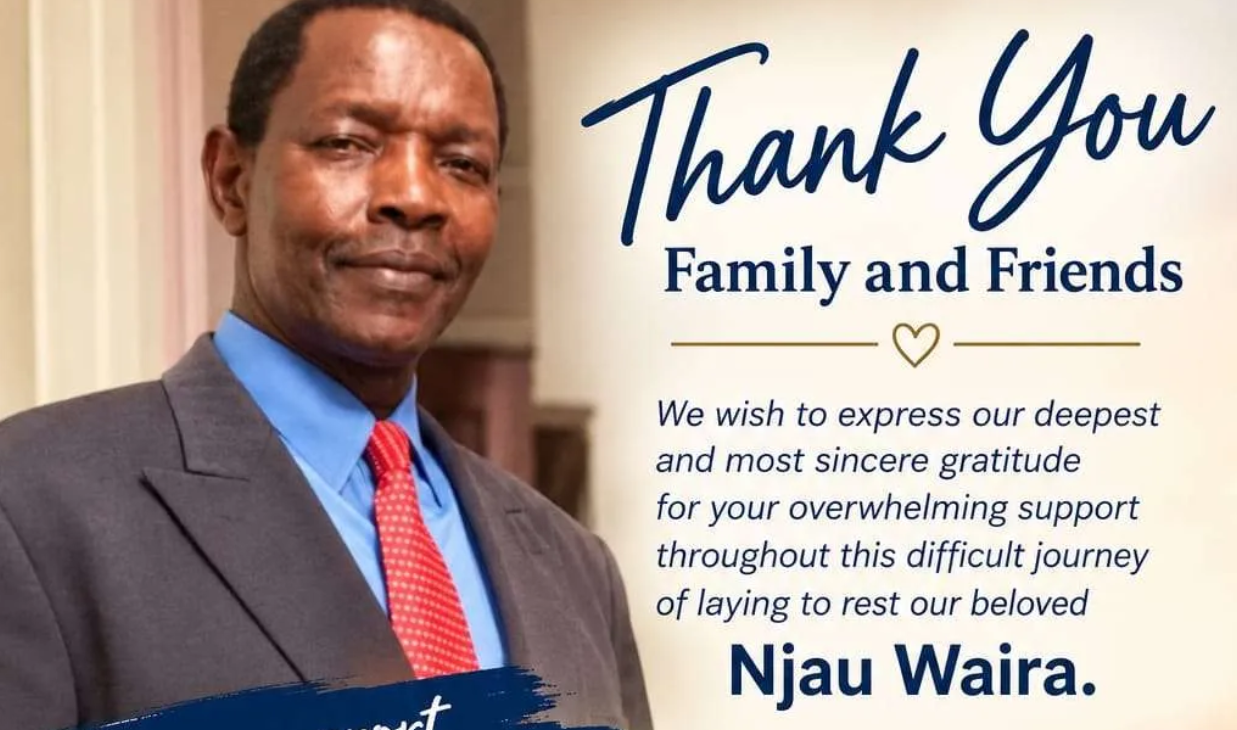
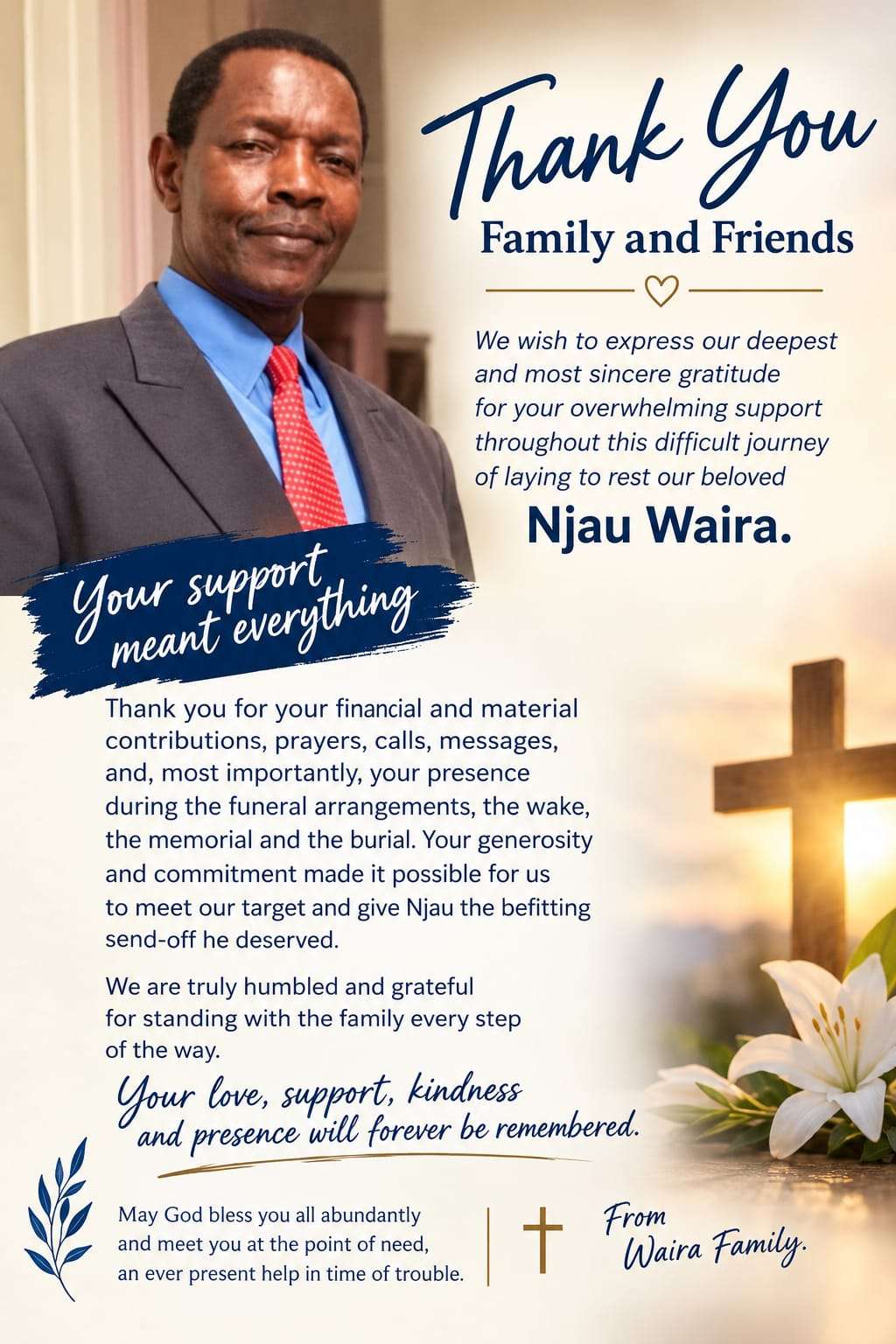
Dear Family and Friends,
We wish to express our deepest and most sincere gratitude for your overwhelming support throughout this difficult journey of laying to rest our beloved Njau Waira.
Thank you for your financial and material contributions, prayers, calls, messages, and, most importantly, your presence during the funeral arrangements, the wake, the memorial and the finally the burial. Your generosity and commitment made it possible for us to meet our target and give Njau the befitting send-off he deserved.
We are truly humbled and grateful for standing with the family every step of the way.
Your love,❤️ support, kindness and presence will forever be remembered.
May God bless you all abundantly and meet you at the point of need, an ever present help in time of trouble. 🙏🏼🙏🏼🙏🏼🙏🏼🙏🏼
From Waira Family.
Diaspora
U.S. Delays 2027 Green Card Lottery Registration as New Rules Add Costs and Passport Requirement
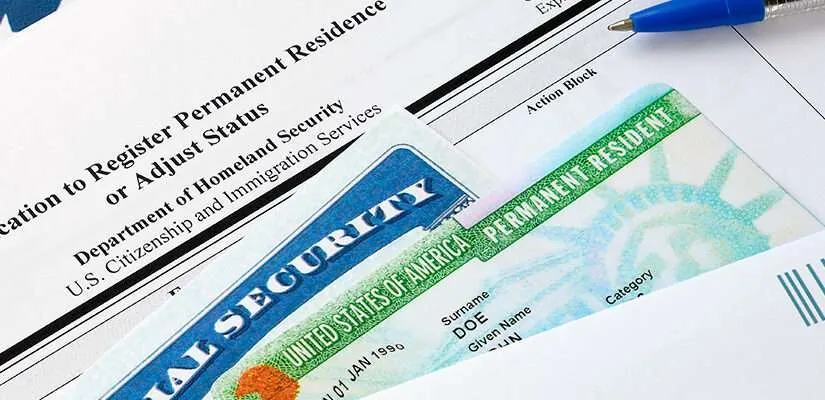
U.S. Delays 2027 Green Card Lottery Registration as New Rules Add Costs and Passport Requirement
WASHINGTON D.C. — Prospective immigrants from Kenya and other eligible African countries are facing an uncertain wait for the next U.S. Diversity Visa lottery after the Department of State delayed the opening of the 2027 registration period and introduced new requirements for applicants.
The State Department has not yet announced the opening or closing dates for DV-2027 registration. It said in November 2025 that it was making changes to the entry process and would announce the registration date “as soon as practicable.” The department also said the delay would not change the visa application period for people selected in the program, which is scheduled to run from October 1, 2026, through September 30, 2027.
State Department: Changes to the DV-2027 Entry Period
That means reports that the DV-2027 registration window has already been shortened should be treated with caution. No official registration duration has been published by the State Department as of September 29, 2026.
The delay comes as the department implements two significant changes: a $1 registration fee and a new requirement that most applicants provide information from a valid, unexpired passport and upload a scan of the passport’s biographical and signature page.
New $1 fee for lottery registration
A State Department final rule published in September 2025 established a $1 fee for registering for the Diversity Visa lottery. The department said the charge is intended to shift some of the costs of operating the lottery—including maintaining the electronic entry system, storing data, conducting the randomized selection process and performing security reviews—to people entering the lottery.
Federal Register: Diversity Visa Program Fee
The fee is separate from the visa application fee paid later by people who are selected and proceed with the immigration process.
The department’s subsequent Diversity Visa rule makes clear that the $1 fee will be collected when an entrant submits the lottery registration. No waiver is provided for the registration fee.
Federal Register: DV-2027 Passport Requirement and Entry Changes
Applicants should therefore be cautious about websites or agents claiming to offer an official DV-2027 registration before the State Department announces the registration period. The department’s official Diversity Visa entry instructions state that entries must be submitted electronically during the designated period and that there is only one permitted entry per person.
Passport requirement creates a new hurdle
The more consequential change for many prospective applicants is the passport requirement.
Under a final rule implementing changes for DV-2027, applicants generally must provide information from a valid, unexpired passport and upload a scan of its biographical and signature page when registering. The State Department said the requirement is intended to combat fraudulent and duplicate entries and allow earlier identity verification.
Federal Register: DV-2027 Passport Requirement and Entry Changes
The department acknowledged that obtaining a passport can present financial and logistical difficulties, particularly in countries where passport processing is slow or services are difficult to access.
Its regulatory analysis estimated that obtaining and supplying the passport information would add time and costs for applicants. The department estimated the average passport cost across eligible countries at $74.43, while also noting that actual costs and additional expenses vary by country.
The rule contains limited exemptions, including certain stateless applicants, some nationals of Communist-controlled countries who cannot obtain passports from their governments, and people covered by specified government-approved waivers. Applicants seeking an exemption must provide supporting evidence.
The State Department has said the passport rule will apply globally rather than specifically targeting African applicants. It nevertheless acknowledged that people without passports could be deterred from entering the program.
Kenya remains an eligible country
Kenyan-born applicants have been among the beneficiaries of the Diversity Visa program in recent years.
Kenya was listed among the African countries eligible for DV-2026, while Nigeria was among the countries excluded from that year’s program because of the statutory high-admission formula.
State Department: DV-2026 Instructions
The State Department selected 3,949 Kenyan entrants for DV-2026. The figure includes selected entrants and their eligible derivatives and does not mean that all of those people ultimately received visas.
State Department: DV-2026 Selected Entrants
Other African countries also recorded substantial numbers of DV-2026 selectees, including Ethiopia, Egypt, Cameroon, Morocco, Sudan, the Democratic Republic of Congo and Ghana.
Eligibility for DV-2027, however, must be confirmed against the official instructions when they are issued. A country’s eligibility can change from one program year to another under the statutory formula.
What applicants should expect
For now, the most important fact for prospective DV-2027 applicants is that there is no confirmed registration deadline to work toward.
The State Department has said it will publish the registration dates and the date on which DV-2027 selection results will become available through the Electronic Diversity Visa system.
State Department: Changes to the DV-2027 Entry Period
Once registration opens, applicants will have to comply with the new requirements, including the $1 payment and, in most cases, submission of valid passport information and a passport scan.
The official State Department DV entry guidance remains the appropriate source for registration instructions. The department says the registration system does not become active until the officially specified date and warns applicants to retain their confirmation number after submitting an entry.
The Federal Register rule on passport requirements provides the legal details of the new DV-2027 entry requirements, while the State Department’s DV-2027 announcement is the authoritative source for the delayed registration schedule.
A separate issue for current DV applicants
The DV-2027 delay is occurring alongside continuing uncertainty for people selected in the previous lottery.
In August 2026, the State Department announced that it was again pausing issuance of Diversity Visas while reviewing screening and vetting procedures. The department said applicants could continue submitting applications and attending interviews, but that no Diversity Visas would be issued while the pause was in effect.
State Department: Diversity Visa Issuance Guidance
That development concerns DV-2026 selectees, rather than people waiting to register for DV-2027, and should not be conflated with the delayed registration schedule.
For prospective applicants in Kenya and elsewhere in Africa, the immediate task is therefore preparation rather than rushing to meet an unannounced deadline. The registration dates, eligible-country list and complete DV-2027 instructions must come from the State Department before applicants can know the precise requirements and timeframe.
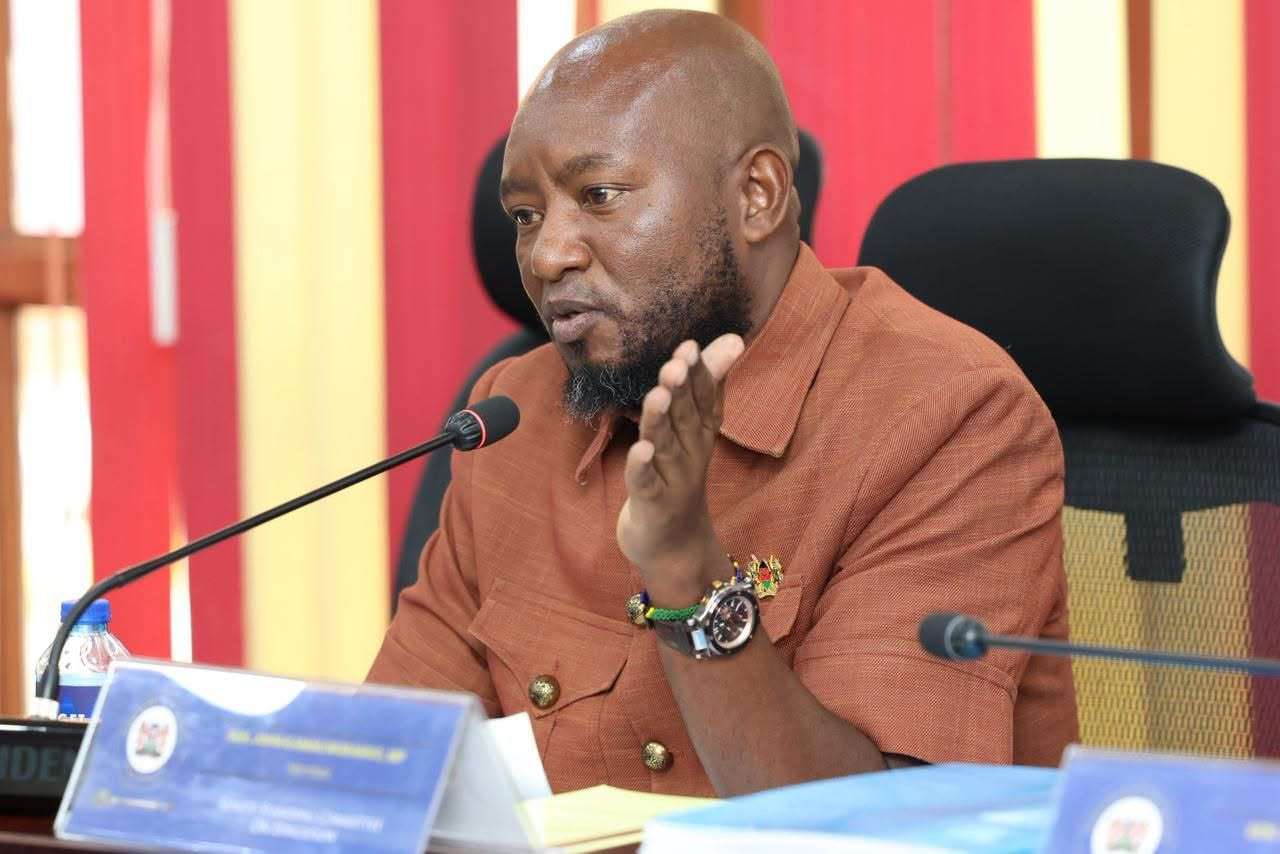
KIRINYAGA, Kenya — Kirinyaga Senator James Kamau Murango has denied any involvement in a viral controversy surrounding women’s underwear bearing his name and the branding of the National Government Affirmative Action Fund (NGAAF).
The controversy gained momentum this week after photographs and videos of the items circulated widely on social media, with some reports linking the merchandise to Murango’s political activities.
Murango has, however, rejected the claims, saying he neither authorised nor participated in the production, purchase or distribution of the items.
According to The Star, the senator’s lawyers, Sakimpa & Partners Advocates, issued a demand for corrections and retractions from media outlets that linked him to the merchandise.
The lawyers said Murango did not print, procure, purchase, supply or distribute the underwear and had not authorised the use of his name or NGAAF branding.
The legal response followed the circulation of videos and photographs that sparked intense discussion online and in Kirinyaga.
Njeri Maina Also Distances Herself
Kirinyaga Woman Representative Njeri Maina has also denied involvement in the distribution of the controversial items.
Maina has called for people allegedly using the names of political leaders without authorisation to be reported to the police.
In a report published on September 27, The Star reported that Maina urged residents to report individuals distributing items while claiming they originated from political leaders’ offices.
The controversy has also drawn attention to the use of NGAAF branding. The fund is associated with the office of the Woman Representative, making the appearance of the branding on the merchandise another point of contention.
At this stage, public reports have not established who commissioned or distributed the underwear.
Controversy Comes Ahead of 2027
The dispute comes as political activity in Kirinyaga begins to intensify ahead of the 2027 General Election.
Murango is positioning himself for the Kirinyaga gubernatorial contest, with the political landscape in the county expected to become increasingly competitive following Governor Anne Waiguru’s decision not to seek another term.
The Star reported earlier this month that Waiguru’s planned exit has opened the field for politicians seeking to succeed her.
The underwear controversy has consequently generated additional political attention, particularly because Murango’s name appears on the merchandise.
However, the senator’s denial means that the circumstances surrounding the production and distribution of the items remain disputed.
For now, Murango maintains that he had no role in the campaign merchandise and has threatened further legal and regulatory action against publications that continue to associate him with the items.
The unfolding dispute is likely to remain a talking point in Kirinyaga as political campaigns and public mobilisation gather pace ahead of the 2027 elections.

Undergraduate Scholarships for Kenyan Students: Bob Mwiti’s Powerful Guide to a Brighter Future

Study Abroad Success Story from Kenya: Donald’s Inspiring Journey from Struggle to a Powerful New Beginning

Doreen Njoki’s Journey to the USA: An Inspiring Flight Backed by a Powerful Community

VIDEO: iPhone 17 Air Leak Reveals Ultra-Thin Design: A Bold Leap Beyond the iPhone 16 Pro

How U.S. Remittance 5% Tax Bill Could Impact Kenyan Diaspora: What You Need to Know

Motorola Launches $1,300 Razr Ultra Foldable Smartphone with AI Features, Swarovski-Enhanced Earbuds

 Tech1 year ago
VIDEO: iPhone 17 Air Leak Reveals Ultra-Thin Design: A Bold Leap Beyond the iPhone 16 Pro
- News1 year ago
How U.S. Remittance 5% Tax Bill Could Impact Kenyan Diaspora: What You Need to Know
- Tech1 year ago
Motorola Launches $1,300 Razr Ultra Foldable Smartphone with AI Features, Swarovski-Enhanced Earbuds
- Insurance Basics1 year ago
Popular Apps May Be Secretly Tracking Your Driving – And Raising Your Insurance Rates
- Tech1 year ago
Motorola Razr Ultra (2025) Launches With Free 1TB Storage Upgrade
- News1 year ago
What would you do if your Gold Digger girlfriend behaved like this?
- News1 year ago
Box Office: ‘Sinners’ Holds No. 1 Spot With $13M Friday; ‘The Accountant 2’ Debuts With $9.4M
- Insurance Basics1 year ago
Florida House Passes ‘Pam Rock Act’ Requiring Dog Registry and $100K Liability Insurance