Diaspora
She Won the Green Card Lottery, Sold Her Land and Waited for an Interview That Never Came

By Olivia Mungwana
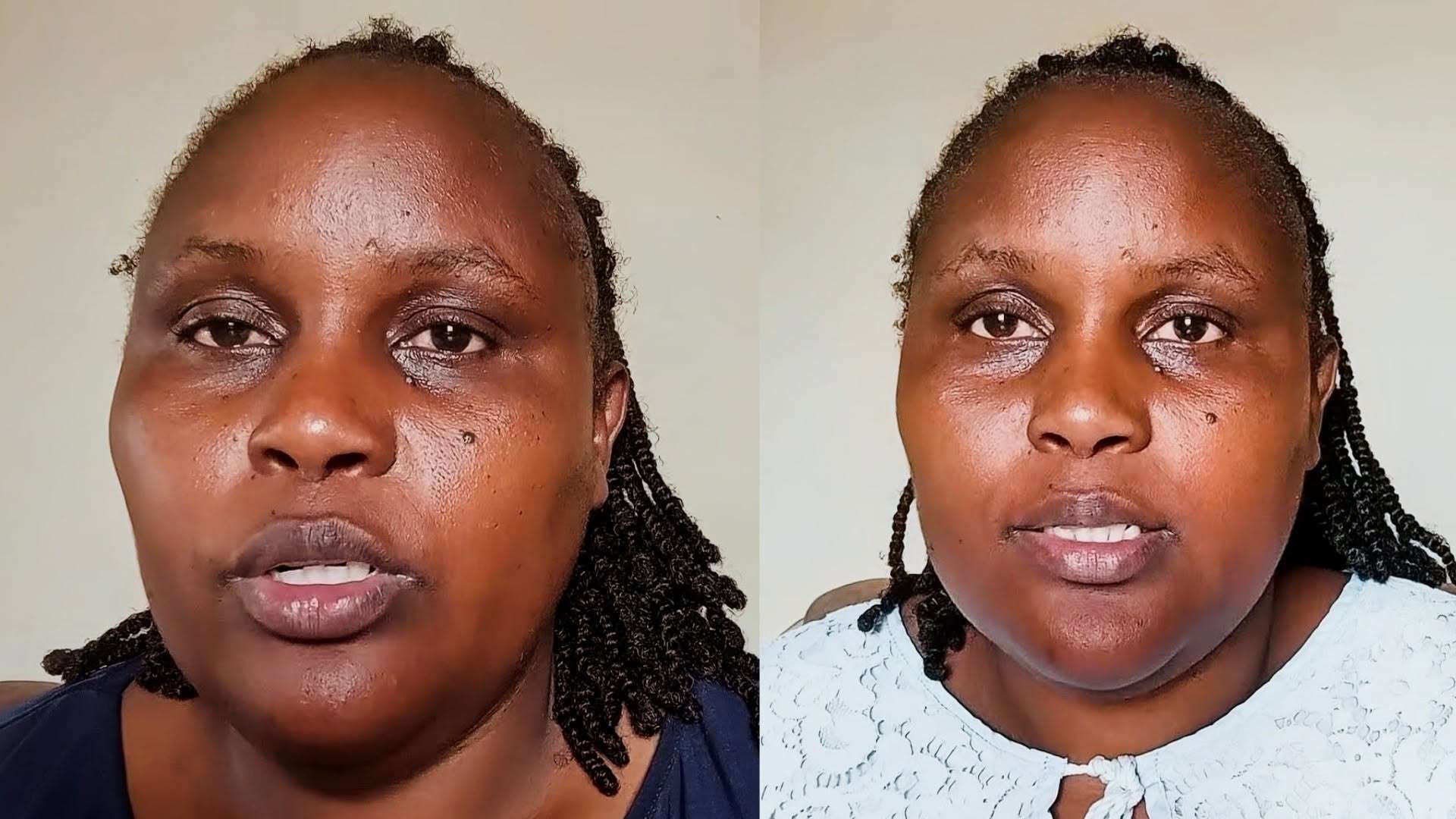
For Kenyan woman Bridget, May 5, 2024, was supposed to be the day her long-held dream of moving to the United States finally came true.
She had entered the U.S. Diversity Visa program before and had not been selected. So when the results for DV-2025 became available, she was initially reluctant to check.
A day after the results were released, she finally did.
She had won.
The excitement was immediate. Bridget called her sister, told her family and began thinking seriously about a future in America.
But the selection was only the beginning of a process she says she barely understood at the time.
More than a year later, the opportunity was gone. Bridget never received the interview notification she was waiting for, and she says the experience left her financially strained and emotionally devastated.
The Day She Discovered She Had Won
In her account on her Bridget Explores YouTube channel, Bridget recalls that she deliberately avoided checking her result on May 4, 2024, the day DV-2025 selection results became available.
She had watched a Kenya American Home livestream that evening where people were discovering whether they had been selected. After spending hours following the reactions, she decided she would check her own result the following day.
On Sunday, May 5, she sent her children to a nearby cybercafé with her confirmation details.
When she eventually went to collect the news, she was greeted with congratulations.
At first, she did not believe it.
They checked again.
She had been selected for DV-2025.
For Bridget, the news represented more than an immigration opportunity. She describes moving abroad as a long-standing personal dream and says she had often prayed for an opportunity to relocate, whether to the United States, Europe or Australia.
This time, she believed the door had finally opened.
Then She Discovered How Complicated the Process Was
Bridget says she initially assumed that winning the lottery meant she would simply need a passport, medical examination and a few other documents before traveling.
She soon discovered that the process was much more complicated.
She had to learn about Form DS-260, the immigrant visa application, and the second notification letter, commonly referred to as the 2NL, which contains information about an interview appointment when one is scheduled.
The U.S. Department of State’s official DV guidance confirms that selected applicants must complete the required immigration steps, including submitting the DS-260, before moving through the interview process.
Bridget says online communities and YouTube videos became important sources of information as she tried to understand what she needed to do.
She also joined a group of other DV-2025 selectees, where applicants shared information about documentation and the progress of their cases.
Gathering the Documents Became a Financial Burden
The paperwork quickly became one of Bridget’s biggest challenges.
She says some of her children did not initially have passports. She also needed to obtain other documents, including school records and a birth certificate for one of her children.
Some of the documents required travel and fees, while others took considerable effort to obtain.
Bridget recalls spending more than KSh15,000 on some of the early documentation-related expenses and says the overall cost continued to grow as she worked through the requirements.
The financial pressure was particularly difficult because, according to her account, she did not have savings available to finance the process.
Eventually, she made a decision she now strongly regrets.
She sold a piece of land she had been buying in her rural home area.
“That Was a Big Mistake”
Bridget now considers selling the property one of the biggest mistakes she made during the process.
She says she needed the money for passports, transportation, school-related documentation and other expenses associated with preparing her case.
But she had not yet received a visa.
That distinction is important because the U.S. government itself warns Diversity Visa applicants against making major financial commitments before a visa has actually been issued.
The U.S. Department of State’s official interview guidance specifically advises applicants not to sell a house, car or property, resign from employment or make non-refundable travel arrangements until they have received their immigrant visa.
For Bridget, that warning came too late.
She had already converted an asset into money to fund a process whose outcome was still uncertain.
She Also Told Almost Everyone
Another decision Bridget now wishes she had handled differently was telling people about her selection.
She says she told relatives, friends, neighbours and people in her village that she had won the Green Card Lottery and would be moving to America.
At the time, she had every reason to be excited.
But as the months passed without an interview, the attention became another source of pressure.
People who did not understand the DV process would ask why she had not yet traveled.
Some assumed that winning meant she should already have been in the United States.
Bridget says she found herself having to explain a process that she was still struggling to understand herself.
She eventually concluded that future selectees should be much more cautious about publicly announcing their plans before the process is complete.
Her Case Number Gave Her Hope
Bridget says her DV case number was around 27,100.
That number initially gave her confidence because she believed it was low enough to eventually become eligible for an interview based on previous years’ processing patterns.
But case numbers do not guarantee an interview.
The State Department explains that Diversity Visa interviews are scheduled only when a visa number is available. Visa availability is determined through the monthly Visa Bulletin and can vary by region and fiscal year. (official interview guidance)
For September 2025, the final month of the DV-2025 program, the Africa cutoff was 58,500 for most African countries, although separate lower limits applied to some countries. The September 2025 Visa Bulletin also warned that visa availability could not be guaranteed through the end of the fiscal year.
Bridget’s account indicates that she was waiting for her case to progress but never received the interview notification.
That does not establish that her case was guaranteed an interview or explain why she was not scheduled. The official system depends on visa availability, completed processing and other requirements.
Months of Waiting
The waiting became increasingly difficult.
Bridget describes watching the monthly developments and seeing applicants from other countries receive interview notifications while she continued waiting.
She says the uncertainty became particularly painful because she believed her case number should eventually become current.
The U.S. government had selected far more prospective DV-2025 applicants than the number of visas available. The State Department registered approximately 131,060 prospective applicants, including selectees and their spouses and children, for a program with an annual statutory allocation that was substantially smaller. (DV-2025 official statistics)
The department explains that selection is not a guarantee of either an interview or a visa.
That distinction became painfully real for Bridget.
The Deadline Kept Getting Closer
As 2025 progressed, Bridget says the approaching end of the fiscal year became a source of constant anxiety.
Every month that passed meant less time remained.
The DV program operates on a strict fiscal-year schedule. For DV-2025, that period ran from October 1, 2024, through September 30, 2025.
The State Department’s final DV-2025 announcement confirmed that the program ended on September 30, 2025. Selectees who had not received a visa or qualifying status by that date derived no further benefit from their DV-2025 selection.
For Bridget, the deadline eventually arrived without the interview she had been waiting for.
“I Almost Lost Myself”
The disappointment did not end when the program year ended.
Bridget says she became withdrawn, stopped wanting to talk to people and struggled to answer questions about what had happened.
She describes spending months under intense emotional pressure, particularly because people around her had known about her plans to move to America.
In her video, she says that from around July she became increasingly isolated and that she continued struggling until she finally accepted in January 2026 that the opportunity was over.
She describes 2025 as her worst year and says she became depressed, confused and stressed.
She also says there were many questions in her mind that she felt unable to answer.
For her, the experience was not simply about losing a lottery opportunity. She had invested money, sold property, made plans and mentally begun building a life in another country.
What She Wants Future Winners to Know
Bridget’s advice to future Diversity Visa selectees is shaped by what she wishes she had done differently.
Her first warning is not to assume that selection means relocation is guaranteed.
Second, she advises applicants not to sell valuable assets to finance the process before receiving a visa.
Third, she recommends keeping the news private or at least limiting who is told until the case has progressed significantly.
Those lessons closely mirror the State Department’s own warning against selling property or making irreversible commitments before receiving an immigrant visa.
The official DV-2025 instructions also emphasize that selection merely allows a person to participate in the visa process; it does not guarantee that a visa will ultimately be issued.
She Would Still Try Again
Despite everything that happened, Bridget says she has not completely abandoned the dream.
She says she would continue trying if she receives another opportunity, but would approach the process differently.
This time, she says, she would be more cautious with her money and would not make the same assumptions she made after receiving her selection.
Her experience illustrates the gap between the excitement of seeing the words “selected” on a Diversity Visa result and the much longer process that follows.
For Bridget, the American dream came close enough to feel real—but never reached the interview stage.
And the lesson she now wants other applicants to remember is simple: a Green Card Lottery selection is an opportunity to pursue a visa, not a guarantee that the visa will come.





Diaspora
PHOTOS: Kenyan Diaspora in Chicago Celebrates National Pride as Amos Kipruto Wins 2026 Marathon

Kenyans living in the United States turned the 2026 Bank of America Chicago Marathon into an opportunity to celebrate their country’s sporting heritage, rallying behind Kenyan athletes competing in one of the world’s biggest road races.
The marathon, held on Sunday, October 11, brought together more than 54,000 participants across 29 Chicago neighbourhoods. For Kenyan supporters, the event offered an opportunity to celebrate the country’s reputation in long-distance running while connecting with fellow Kenyans living thousands of kilometres from home.
According to a report published by Mwakilishi, members of the Kenyan diaspora gathered to support their compatriots, with national colours, flags and enthusiastic cheering reflecting their pride in the athletes.
The celebrations came as Kenyan runners delivered notable performances in the men’s and women’s elite races, giving supporters additional reasons to celebrate their country’s presence on the international athletics stage.
Amos Kipruto leads Kenya’s success in Chicago
Kenya’s Amos Kipruto emerged as the men’s marathon champion, crossing the finish line in 2:01:09 to secure victory in the 48th edition of the Chicago Marathon.
According to World Athletics, Kipruto produced a strong second-half performance to pull away from Uganda’s Jacob Kiplimo before completing the race in one of the fastest marathon times recorded in history.
Kipruto’s victory continued his progression at the Chicago event. He finished third in 2024 and second in 2025 before claiming the title in 2026.
His latest performance also improved his personal best and moved him into a tie for fifth on the men’s all-time marathon list, according to World Athletics.
The victory provided a major highlight for Kenyan supporters who had travelled to watch the race or followed the competition from different parts of the United States.
Sharon Lokedi and Brigid Kosgei finish on the women’s podium
Kenyan athletes also delivered strong performances in the women’s elite race, although Ethiopia’s Hawi Feysa successfully defended her Chicago Marathon title.
Feysa won in 2:13:33 after a competitive battle with Kenya’s Sharon Lokedi, who finished second in 2:14:07.
Former women’s marathon world-record holder Brigid Kosgei, also from Kenya, finished third in 2:14:55.
World Athletics reported that the race produced a historic result, with three women finishing in less than two hours and 15 minutes for the first time in marathon history.
Lokedi’s performance was particularly notable given her recent success at major international marathons, while Kosgei once again demonstrated her ability to compete among the world’s leading distance runners.
Full event information and results are available on the official Chicago Marathon website.
Chicago marathon weekend brings Kenyans together
Beyond the competition itself, the Chicago Marathon has become an important gathering point for members of the Kenyan community in the United States.
One established event is the Kenya Marathon Dinner, which has welcomed Kenyan elite athletes and supporters in Chicago since 1998. The annual gathering celebrates Kenyan food, culture and athletic achievement while providing opportunities for athletes and members of the wider community to interact.
According to the organisers’ official website, the event brings together marathon runners, athletics enthusiasts, community leaders and other guests to celebrate Kenya’s sporting heritage.
Such gatherings provide an opportunity for Kenyans abroad to maintain cultural connections, strengthen community relationships and introduce younger generations to the country’s traditions.
For supporters watching the marathon, cheering for Kenyan athletes can also serve as a reminder of home and the shared experiences that connect people living in different countries.
Kenya’s global reputation in distance running
Kenya has established a strong international reputation in distance running through generations of athletes who have excelled at Olympic Games, world championships and major road races.
Athletes such as Eliud Kipchoge, Brigid Kosgei and many others have helped bring international attention to Kenya’s running culture and training communities.
The country’s success has also generated interest in its athletics development programmes, high-altitude training locations and the communities that nurture elite runners.
However, maintaining that reputation requires continued investment in grassroots athletics, coaching, training facilities, athlete welfare and transparent sports administration.
International competitions such as the Chicago Marathon provide a platform for established athletes to demonstrate their abilities while inspiring young runners who hope to compete at the highest level.
Diaspora support creates opportunities beyond sport
The enthusiasm surrounding major international races also highlights the potential contribution of diaspora communities to Kenya’s wider development.
Kenyans living abroad can support sporting initiatives through mentorship, charitable programmes, partnerships with athletics organisations and investment in opportunities for young people.
The connection between international athletes and Kenyan communities overseas may also create opportunities to promote tourism, cultural exchange and greater awareness of the country.
For younger members of the diaspora, watching Kenyan athletes compete internationally can provide a way to connect with their heritage and learn more about the country’s sporting achievements.
These opportunities extend beyond marathon weekend and can help sustain relationships between communities abroad and organisations working in Kenya.
A celebration of Kenya beyond the finish line
The 2026 Chicago Marathon offered Kenyan supporters an opportunity to celebrate both individual achievement and a shared national identity.
Kipruto’s victory in the men’s race, alongside Lokedi and Kosgei’s podium finishes in the women’s competition, provided memorable sporting moments for Kenyan athletics fans.
For members of the diaspora, the event also served as a reminder that national pride can remain strong across geographical boundaries.
As Kenya’s athletes continue to compete on the international stage, the support of communities abroad remains an important part of the wider story surrounding the country’s sporting heritage.
In Chicago, the marathon was therefore more than a contest over 26.2 miles. It was also an opportunity for Kenyans to celebrate their athletes, share their culture and maintain a connection with home.
Diaspora
Machakos Father Shares Heartbreak After Wife Reportedly Moves to the US, Leaving Him With Two Children

A father from Machakos County, Wellington Ngothe Ndembwa, has shared his emotional experience following the reported departure of his wife, Diana Syokau, to the United States, saying he has been left caring for their two children.
Speaking during an interview with Jamba TV, Wellington described the challenges he has faced since the reported separation, including the responsibility of raising the children, aged 12 and eight, while struggling to earn a living.
According to his account in the interview, Diana left Kenya with assistance from her sister. Wellington said communication between them had been difficult since her departure, with feelings of anger and disappointment making it hard for him to speak to her directly.
The circumstances surrounding the couple’s separation have not been independently established, and Diana’s account was not included in the information available for this report.
Father struggles to provide for his children
Wellington reportedly earns a living by collecting recyclable bottles in Nairobi, an undertaking he uses to support himself and his two children.
The responsibility of providing for the family has become more challenging following an accident he says occurred approximately six months ago.
According to his account, the accident left him with a persistent leg injury and ongoing pain, affecting his efforts to rebuild his life while meeting his children’s needs.
Despite these difficulties, Wellington continues to focus on caring for the children as he navigates the financial and personal challenges facing the family.
Says he still has feelings for his wife
In the interview, Wellington also spoke about his feelings for Diana, describing her as his first love.
He said he has not remarried and has little interest in pursuing another relationship, explaining that his feelings for his wife remain strong despite their separation.
In one of the most emotional parts of his account, Wellington said he would be willing to welcome Diana back if she returned to Kenya.
His remarks reflect the emotional complexity of a relationship that, according to his account, remains unresolved in his mind.
However, whether the couple will reconcile remains uncertain. No independent confirmation was available regarding Diana’s intentions or her perspective on the separation.
A family facing an uncertain future
Wellington’s account highlights the difficulties some families face when a relationship breaks down and one parent assumes much of the responsibility for raising children.
For families in such circumstances, financial pressure, health challenges and strained communication can make an already difficult situation even harder.
The needs and wellbeing of the two children remain an important consideration as the family navigates its circumstances.
While Wellington has expressed hope that he and Diana might reunite, the future of their relationship remains unclear.
His story has also prompted a broader conversation about love, separation, parental responsibilities and the difficult decisions people face when relationships change.
As the account shared with Jamba TV illustrates, moving forward after a separation can be complicated, particularly when children and unresolved feelings are involved.
Source attribution: This article is based on an account attributed to Wellington Ngothe Ndembwa during an interview with Jamba TV. Details about the separation and family circumstances have not been independently verified. Diana Syokau’s perspective was not available in the material reviewed for this report.
Diaspora
Family of Kenyan man who died in North Carolina, U.S.A. seeks Support to repatriate his body

The family of Henry Mukolwe Macharia, a 28-year-old Kenyan man who died in North Carolina, United States, is seeking support to repatriate his body to Kenya for burial.
Macharia died in Spring Lake, North Carolina, on September 11, 2026, with authorities reporting that preliminary findings indicated natural causes.
His death came to wider public attention on October 3, when the Spring Lake Police Department appealed for help locating his family after efforts to reach his next of kin proved unsuccessful. The appeal was widely shared by Kenyans online and across diaspora networks.
On October 6, Kenyan media outlets reported that authorities had connected with Macharia’s mother following the community’s efforts to circulate the appeal.
Macharia was the son of James Mboci Macharia and Lillian Mukolwe, and brother to Nelly Wanjiru, Paul Macharia and Diana Macharia, according to the family announcement. His family has ties to Nakuru, Kenya.
The family says it plans to transport his remains home for burial, with funeral arrangements to be announced later.
The circumstances surrounding Macharia’s death have not been publicly detailed beyond the preliminary report of natural causes.
His case has drawn attention to the challenges families can face when a loved one dies abroad, including the logistical and financial demands of international repatriation.
The family has appealed for prayers as it navigates the arrangements, asking the community to trust in God for comfort, strength and peace during the difficult period.
As relatives prepare to lay Macharia to rest, their immediate priority is to bring him home to Kenya.
Below is a verbatim message from the family
……………………………………………………………………………………
It is with profound sorrow and humble acceptance of Gods will we announce the promotion to glory of Henery Mukolwe Macharia.
He was the son of James Mboci Macharia and Lillian Mukolwe and brother to Nelly Wanjiru, Paul Macharia and Diana Macharia of Nakuru Kenya.
He passed away from natural causes in spring lake, North Carolina, USA, on September 11th, 2026.
We kindly ask the community to keep his family in prayer, trusting God to grant them comfort, strength and peace during this difficult time.
Funeral arrangements will be communicated later. The family plans to repatriate Henry to Kenya for burial.
For financial support:
Zelle / Cash app
Eliud Ngei
Phone: 4049539527

Federal Judge Revokes Citizenship of North Carolina Man Convicted of Child Sex Crimes

Woman Interrupts Church Wedding With Children, Claims Groom Is Her Husband

Fred Machoka Breaks Silence Over Golden Jubilee Rhumba Concert Drama Involving His Niece, Gloria Owoba

VIDEO: iPhone 17 Air Leak Reveals Ultra-Thin Design: A Bold Leap Beyond the iPhone 16 Pro

How U.S. Remittance 5% Tax Bill Could Impact Kenyan Diaspora: What You Need to Know

Motorola Launches $1,300 Razr Ultra Foldable Smartphone with AI Features, Swarovski-Enhanced Earbuds

 Tech1 year ago
VIDEO: iPhone 17 Air Leak Reveals Ultra-Thin Design: A Bold Leap Beyond the iPhone 16 Pro
- News1 year ago
How U.S. Remittance 5% Tax Bill Could Impact Kenyan Diaspora: What You Need to Know
- Tech1 year ago
Motorola Launches $1,300 Razr Ultra Foldable Smartphone with AI Features, Swarovski-Enhanced Earbuds
- Insurance Basics1 year ago
Popular Apps May Be Secretly Tracking Your Driving – And Raising Your Insurance Rates
- Tech1 year ago
Motorola Razr Ultra (2025) Launches With Free 1TB Storage Upgrade
- News1 year ago
What would you do if your Gold Digger girlfriend behaved like this?
- News1 year ago
Box Office: ‘Sinners’ Holds No. 1 Spot With $13M Friday; ‘The Accountant 2’ Debuts With $9.4M
- Insurance Basics1 year ago
Florida House Passes ‘Pam Rock Act’ Requiring Dog Registry and $100K Liability Insurance